



Battery electrification and associated operational fixes like peak shaving and shore charging are demonstrating remarkable gains in fuel efficiency across Norway’s workboat fleet.
So dramatic are the improvements in performance that the latest vessels can consume a mere fraction of the fuel compared with a decade ago. Delivered last year, the battery-hybrid SOV Olympic Boreas, owned and operated by Olympic Offshore, operates with variable speed generators and an exhaust gas economiser. She consumes less than three tonnes of fuel per day when standing by at offshore facilities.This compares with typical consumption of 12 tonnes a day on last generation vessels owned and operated by the Fosnavåg-based company ten years ago.“No vessel in the world can match what we have achieved,” Olympic Subsea CEO, Stig Remøy, told journalists in Norway this week.
Speaking earlier this week, Remøy added that he and his compatriots are hoping that the IMO can achieve a consensus on its net-zero framework by the end of the week. This, he said, would spur innovation among shipowners dragging their feet on efficiency upgrades. “We want it to happen,” he insisted.
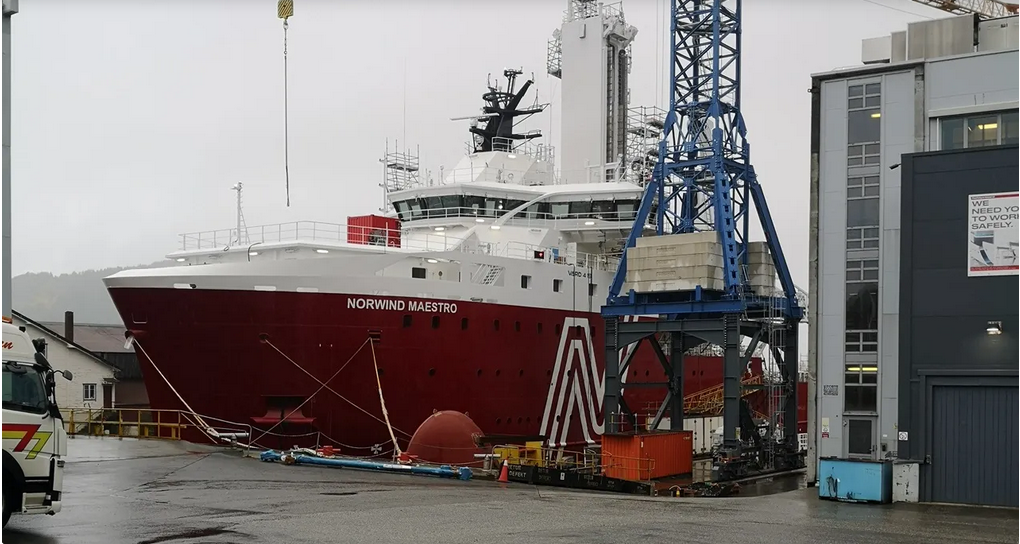
Battery hybrid vessels provide a range of benefits for offshore supply vessels, service operation vessels (SOVs), offshore construction vessels, anchor-handlers and other specialised ships that make up the Norwegian fleet today. The vessels are increasingly employed in the rapidly developing offshore wind sector deploying the very latest technologies.The latest walk-to-work systems, for example, are designed to ensure the safe transfer of personnel from SOVs to wind facilities even in the challenging conditions that prevail most of the time in the North Sea.Meanwhile batteries used for peak-shaving operations compensate for moment-to-moment shifts in propulsion load while leaving engines running at a constant and level at maximum efficiency. Reserve power provided by the batteries also cover heavy power needs during demanding operations like dynamic positioning (DP), ensuring that only one generator need operate, running at its optimal load range of 80-85%.Andreas Nystøl, Business Process Development lead at Seaonics AS, demonstrated the Ulstein Group’s division’s X-Connect ship management system. This setup will be used on Norwind Maestro, an offshore construction vessel the vessel currently being outfitted at Vard’s Søviknes yard prior to a first contract in the German North Sea.
Advancing the benefits of the battery system, Nystøl commented; “Some captains want to have all the generators on when the ship is mooring or using the crane … we tell them they don’t have to.”